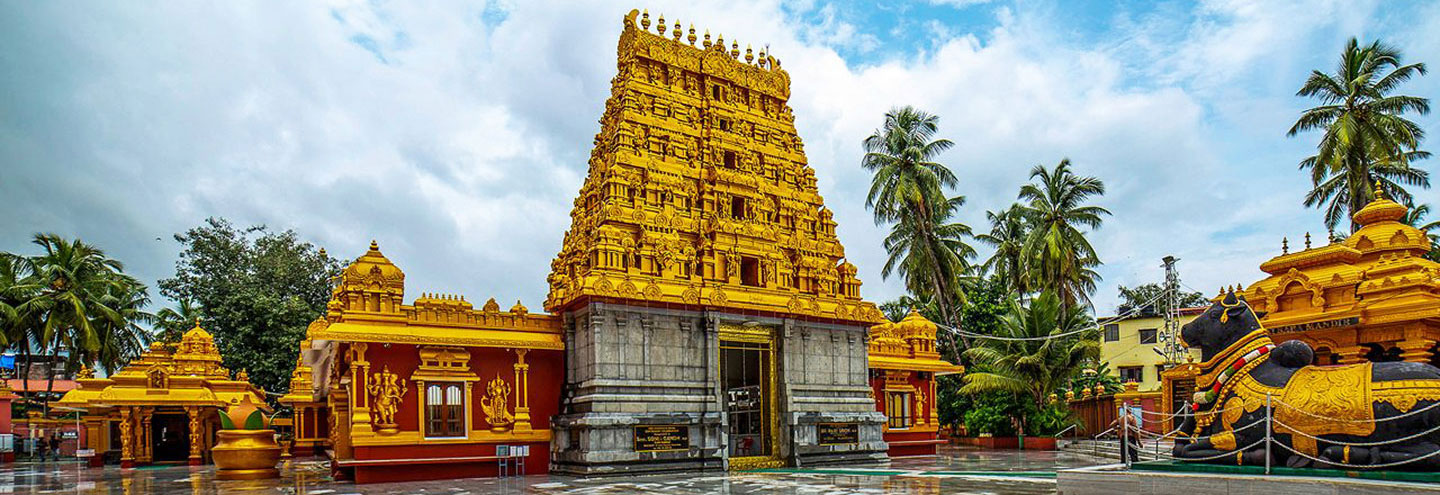
The Legacy of Kudroli Sri Gokarnanatha Temple: From Humiliation to Social Revolution
The history of the Kudroli Sri Gokarnanatha Temple in Mangaluru is not merely a chronicle of temple construction; it is a profound saga of human dignity, a battle against social exclusion, and the triumph of spiritual equality.
The Catalyst: The 1905 Gokarna Incident
The story begins in 1905, during a time when the rigid structures of the caste system dictated every aspect of life in India. Jarappa Nayaka, a prominent member of the Billava community from Mangaluru, set out on a pilgrimage to the holy town of Gokarna with his family. Upon their arrival, the family was welcomed with the traditional warmth and hospitality reserved for high-status pilgrims.
Because of their dignified appearance and conduct, the temple authorities and locals assumed they belonged to an “upper caste.” However, this period of respect was short-lived. Within a few days, the “truth” of their caste identity—as members of the Billava community—was revealed. The atmosphere shifted instantly from reverence to hostility. The family was subjected to:
- Immediate Expulsion: They were denied further entry into the temple.
- Public Humiliation: The respect they had initially received was replaced by open insults.
- Ritual Purification: The temple authorities declared the entire premises “impure” due to their presence and conducted purification rituals.
This event left a deep, “silent wound” on the soul of the community. It wasn’t just about one family; it was a symbol of the systematic denial of divinity to millions based solely on birth.
The Turning Point: Seeking the Guru
Haunted by this insult, a delegation of community leaders led by Sahukar Koragappa, and including Shedde Aithappa Poojary, Kodialbail Somaiah Mesthri, and B. Somappa, traveled to Kerala. They sought the guidance of the revolutionary saint Brahmashree Narayana Guru at Shivagiri.
When they recounted the pain of the Gokarna incident, the Guru did not offer mere sympathy. He offered a challenge that would change history:
“If they deny us entry into their temples, let us build a temple of our own where everyone is welcome.”
The Birth of Kudroli (1908–1912)
In 1908, Narayana Guru, accompanied by the community leaders, arrived in Mangaluru and chose a site in Kudroli—an area formerly used as grazing land for horses by kings. The place had basil and leucas plants together – symbol of vaishnava and shaiva energies. He laid the foundation stone and established the Venkatesha Shiva Bhakti Yoga Sangha to ensure the community remained organized and united.
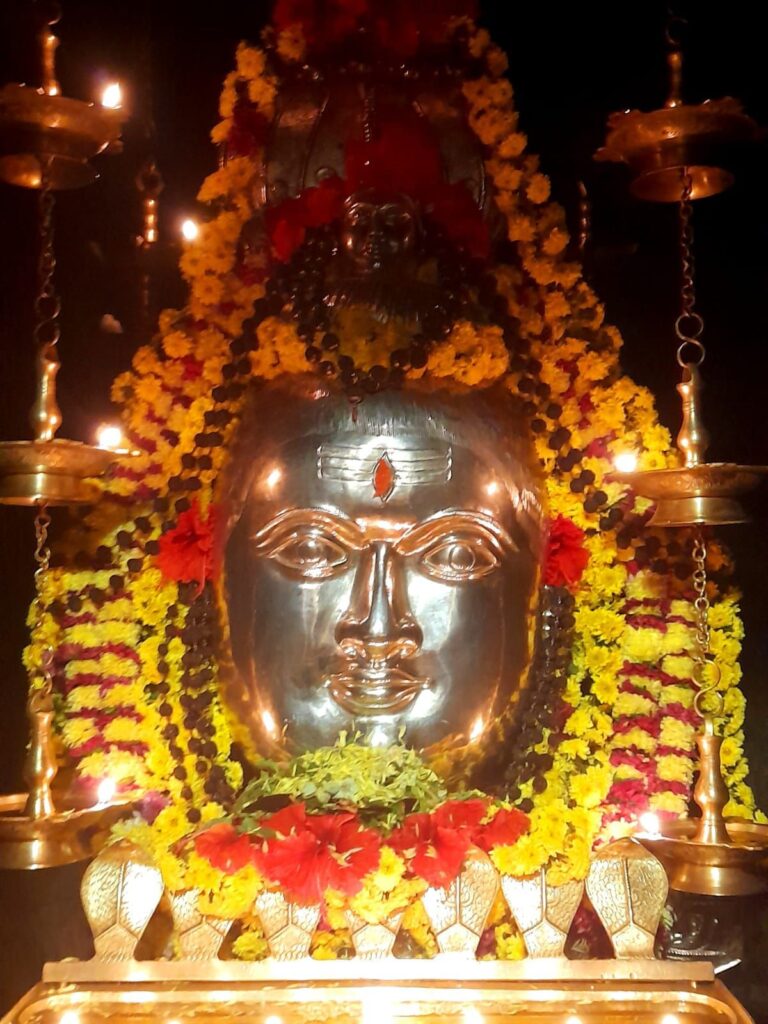
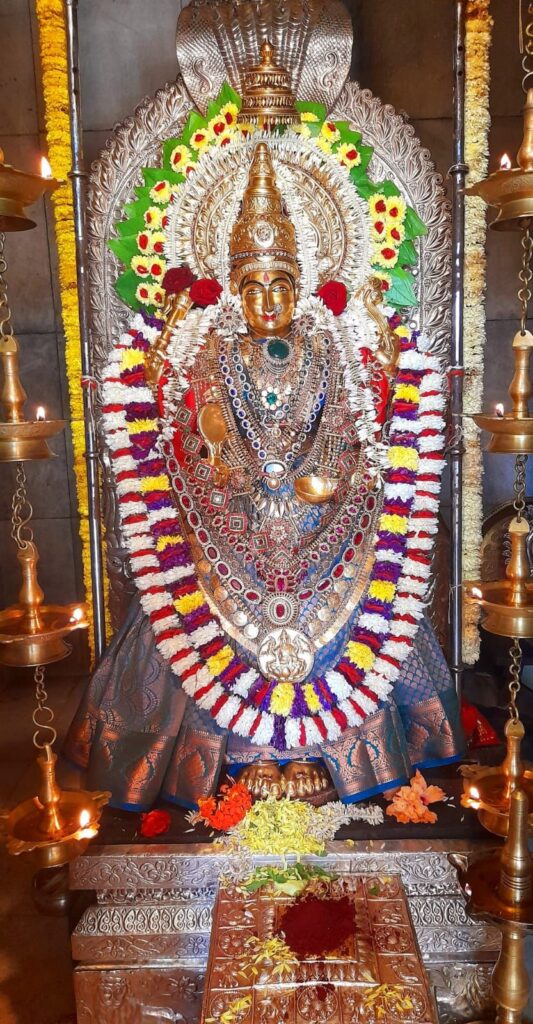
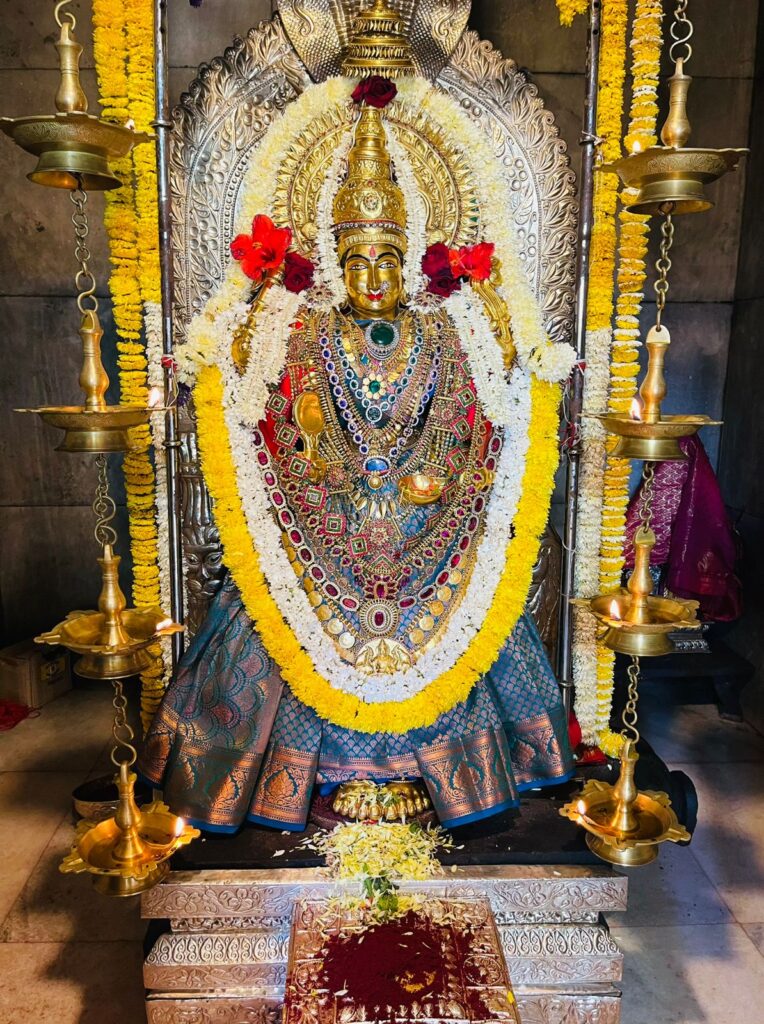
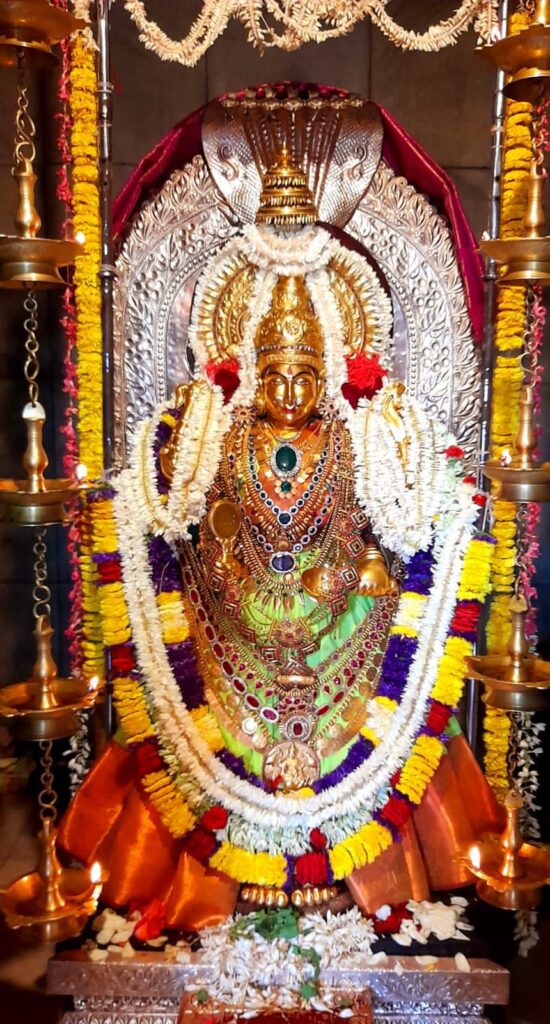
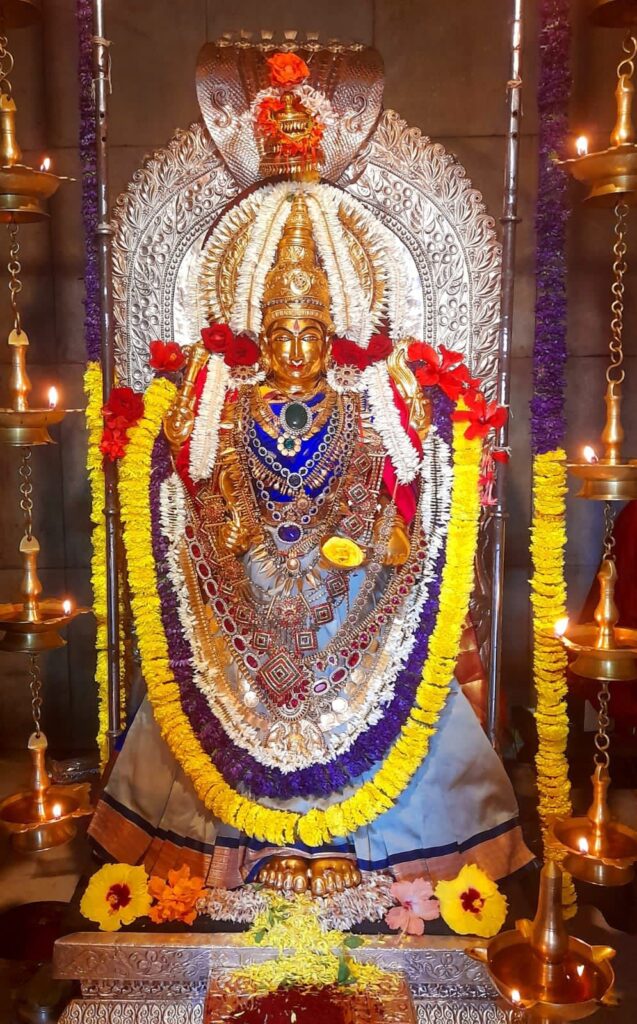
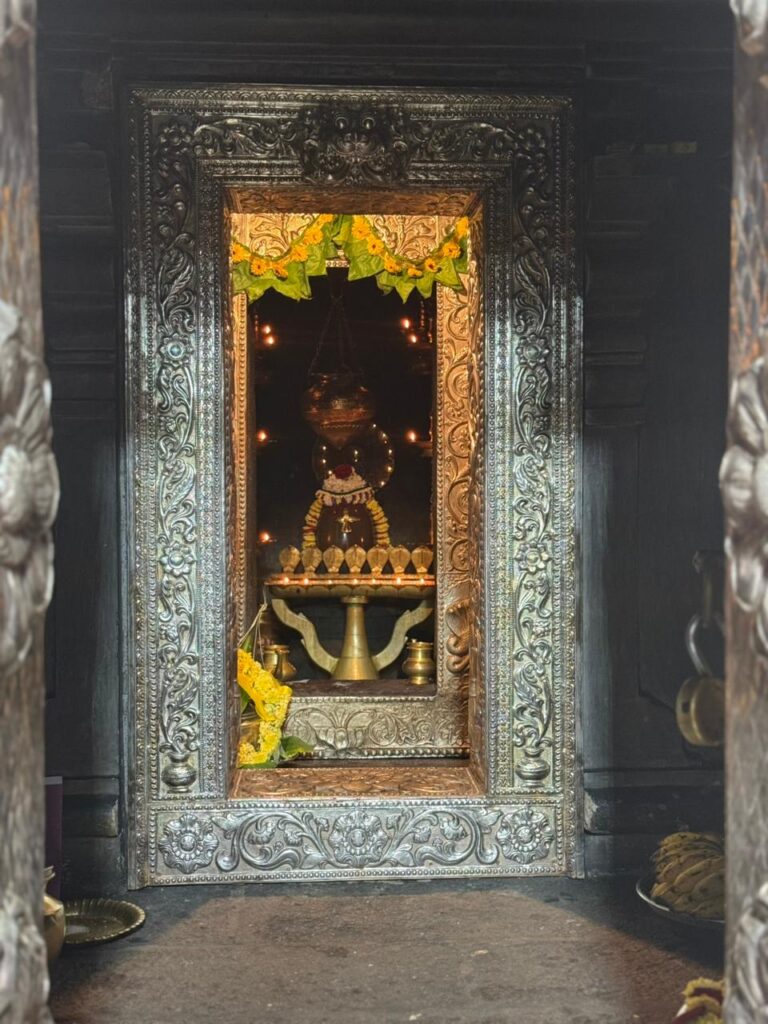
On the auspicious day of Mahashivaratri in 1912, the Guru himself consecrated the Shiva Linga, naming the deity Gokarnanatha (in a poetic retort to the original insult at Gokarna). This act was a declaration of spiritual independence. It signaled that no human had the authority to stand between a devotee and the Divine.
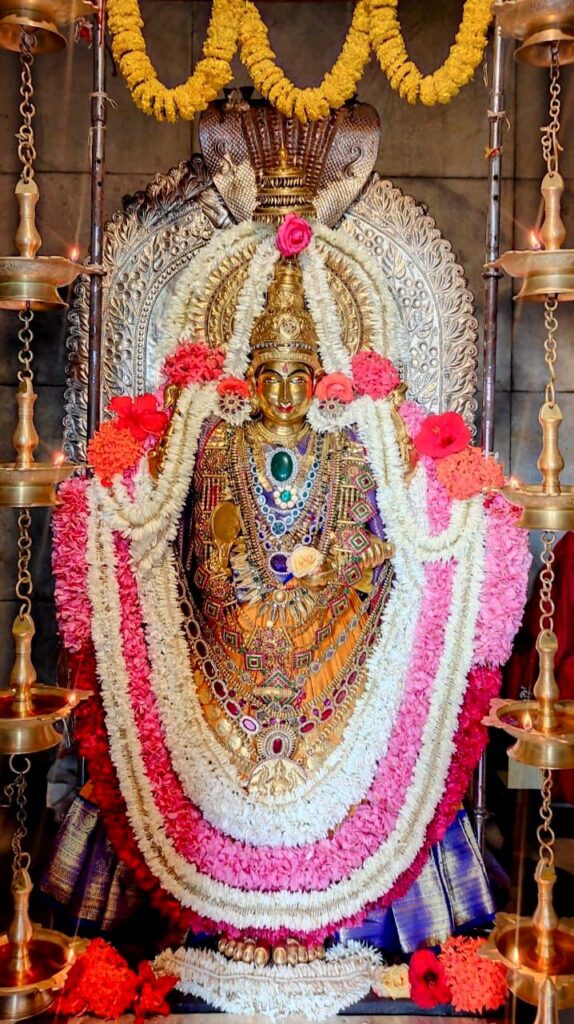
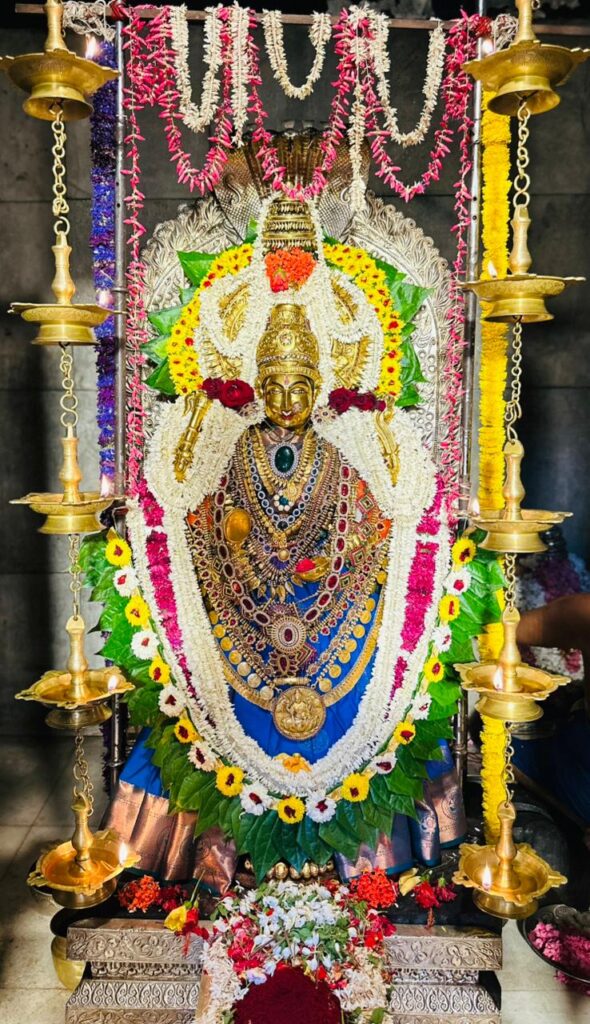
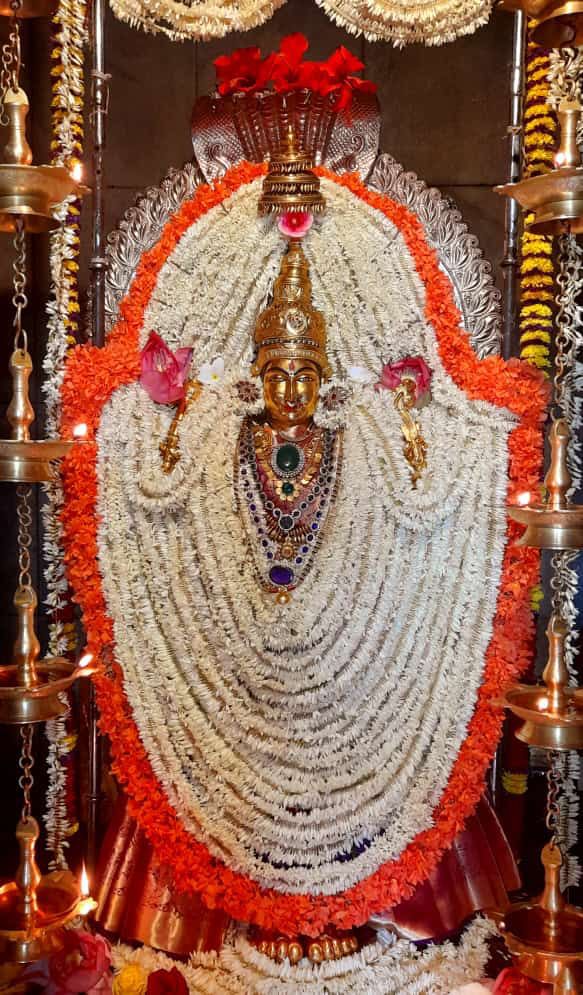
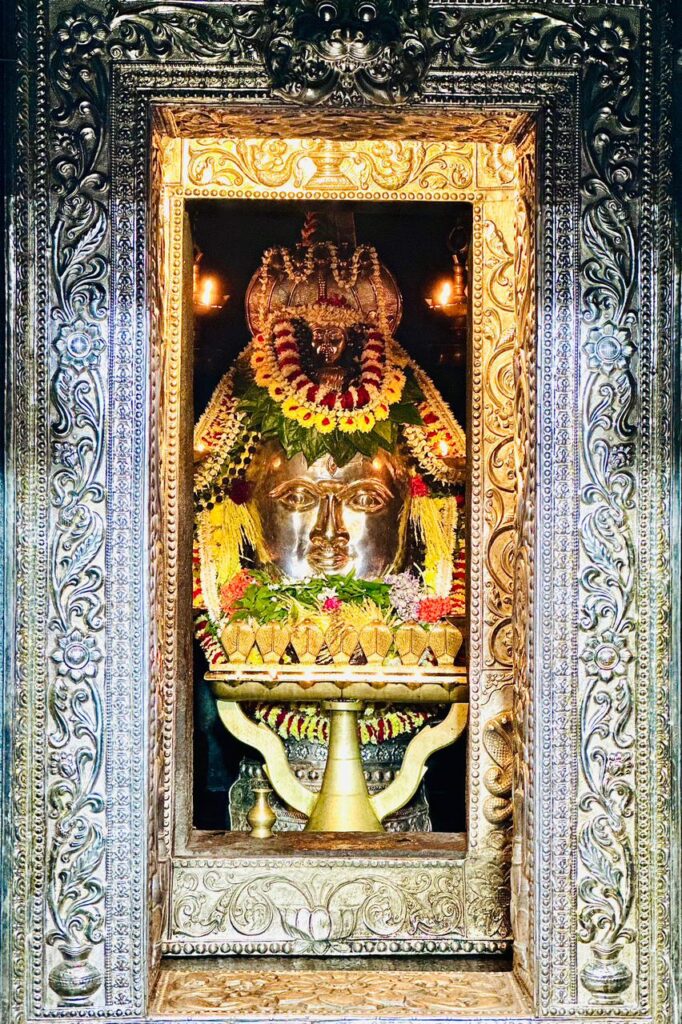
Expansion and Modern Significance
While the temple began as a refuge for the Billava community, it grew into a sanctuary for all.
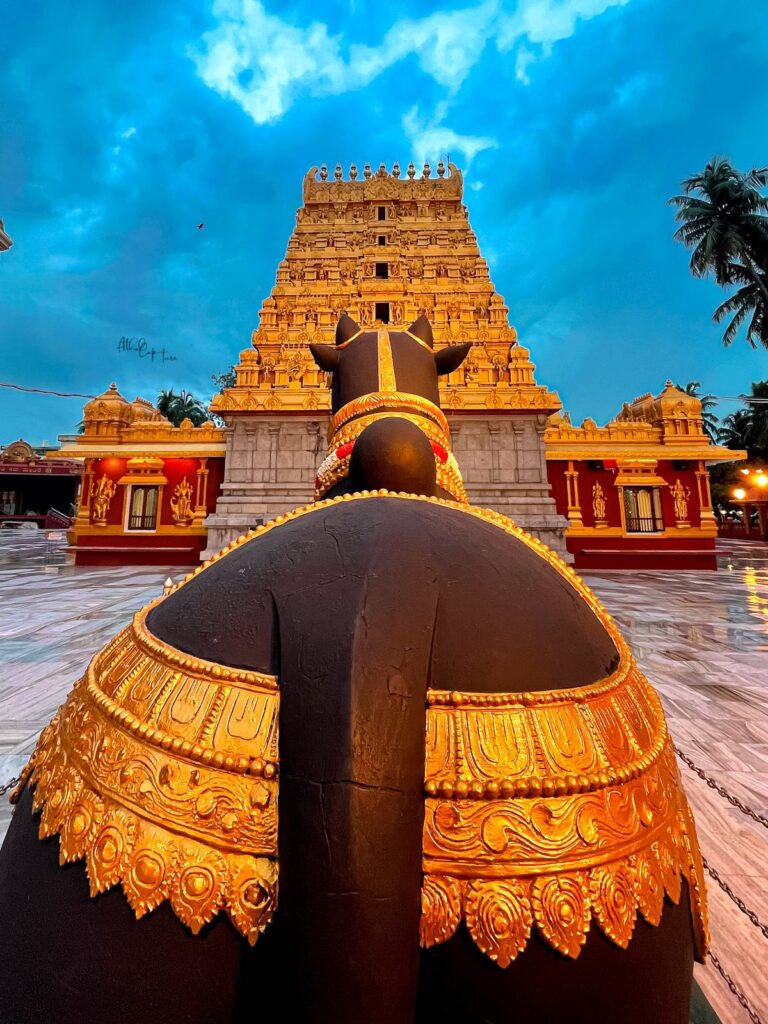
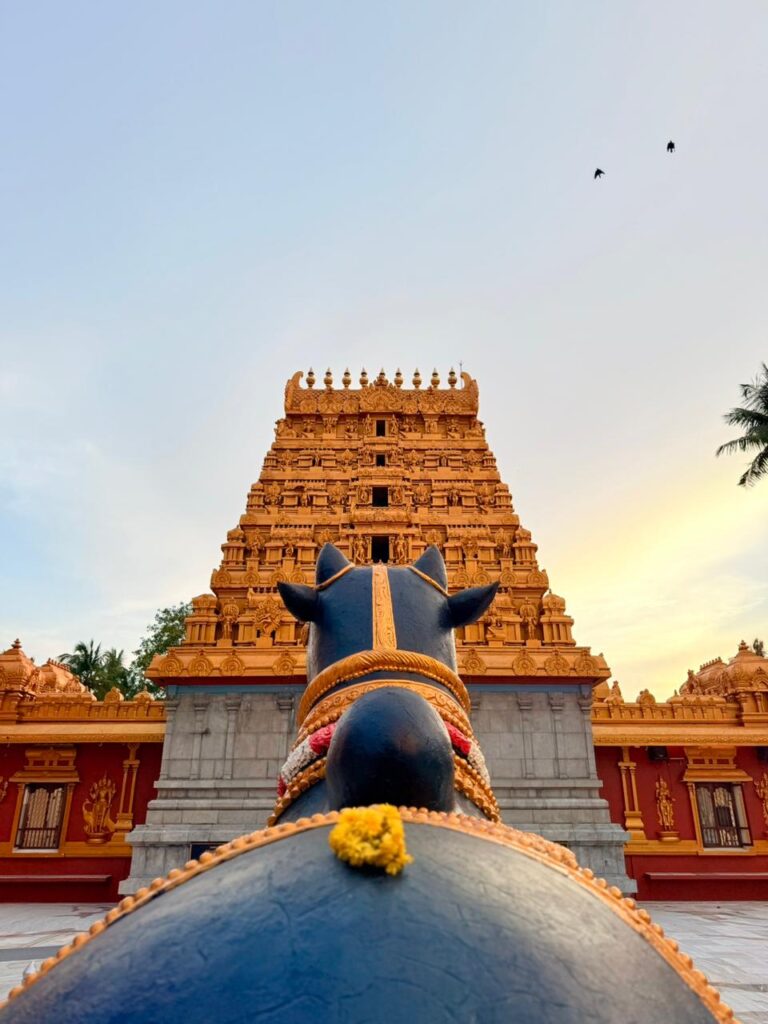
- Architectural Grandeur: In 1991, under the leadership of Shri B. Janardhana Poojary, the temple was transformed from its original Kerala style into a magnificent Chola-style structure, featuring a 60-foot Rajagopuram and vibrant golden icons. Renovated temple was inaugurated by then Prime Minister Rajiv Gandhi.
- Mangaluru Dasara: The temple is now the heart of the “Mangaluru Dasara,” a festival that rivals Mysuru’s in scale and devotion, featuring the installation of the Navadurgas and Sharada Matha.
- Progressive Reforms: Carrying forward Narayana Guru’s legacy, the temple made headlines by appointing widow priests and ensuring that people of all castes, creeds, and genders can perform pooja.
Today, the temple stands as a “permanent symbol of human dignity.“
How to Reach
The approximate distance & journey time to reach Shree Kshetra Kudroli Gokarnanatha through various modes are listed below
By Bus
From Mangalore KSRTC bus stand: 3.4 KM ( 9 minutes)
City bus route no: 7. 13A. 1B, 31A
From Hampankatta Mangalore: 2.0 KM ( 8 minutes)
By Train
If you are traveling via train, the distance from the Mangalore central railway station to Shree Kshetra is approximate: 2.7 KM (10 minutes)
By Flight
The nearest Airport is Mangalore International Airport 12 KM (25 minutes, fastest route lighter traffic than usual) away from Shree kshetra.
Optionally you can also take a direct taxi from the KSRTC bus stand to Shree kshetra depending on your schedule.